Presented by Nenelie, Shruthi, Joshea & Shuby
Alzheimer’s Disease

What is it?
information for a better understanding

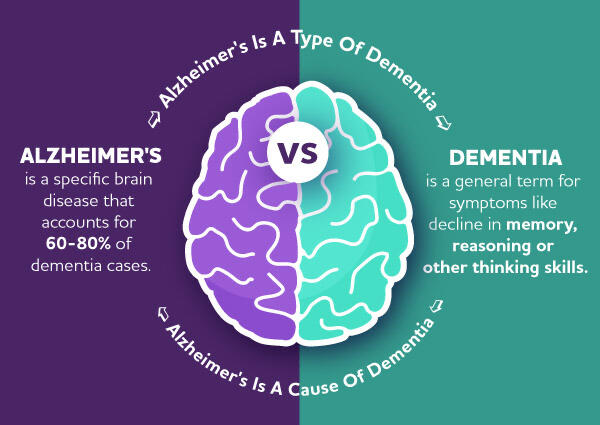
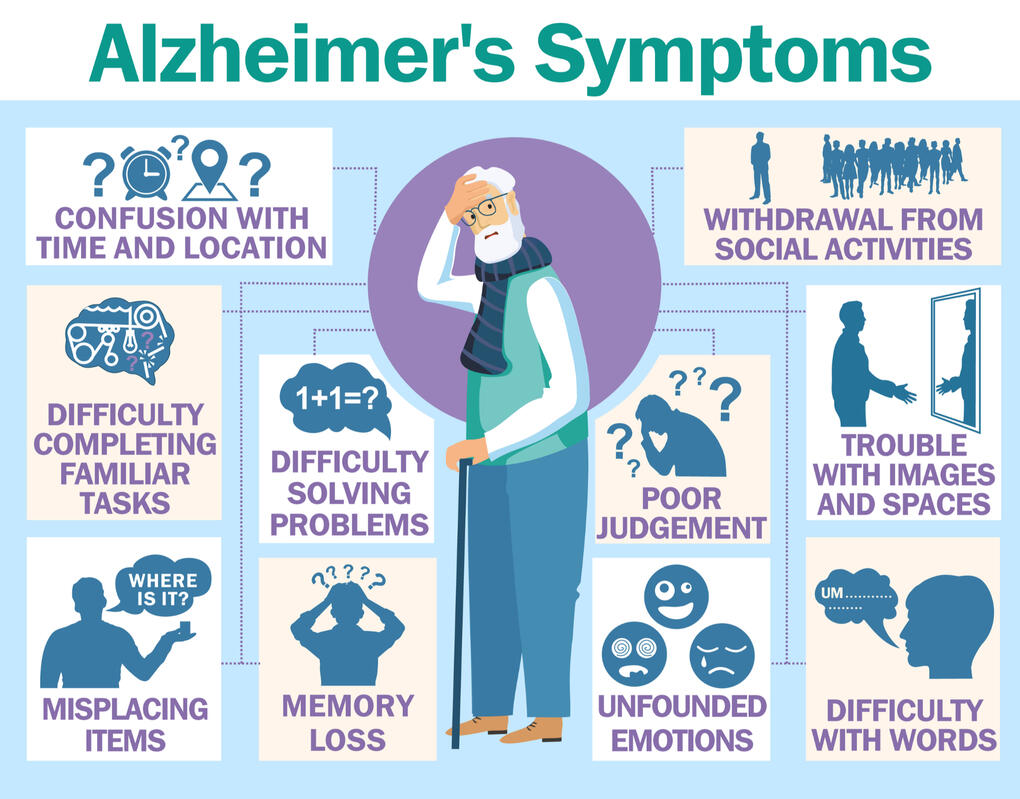
“Alzheimer's disease is a brain disorder that slowly destroys memory and thinking skills and, eventually, the ability to carry out the simplest tasks.” This is stated by NIH (National Institute On Aging)
In most people who have been affected by the disease late onset type symptoms first appear in their mid 60s. in 2019 there were over 850,000 people with dementia in the UK (Alzheimer's Society, 2019). This represents 1 in every 14 of the population aged 65 years and over. In 2040 there will be over 1.5 million people with dementia in the UK at the current rate of prevalence.
⊹ ⋆゚꒰ఎ ♡ ໒꒱ ⋆゚⊹
⊹ ⋆゚꒰ఎ ♡ ໒꒱ ⋆゚⊹
10 Ways to Help a Family Living with Alzheimer’s
1) Educate yourself about Alzheimer’s disease. Learn about its effects and how to respond.
2) Stay in touch. A card, a call or a visit means a lot and shows you care.
3) Be patient. Adjusting to an Alzheimer’s diagnosis is an ongoing process and each person reacts differently.
4) Offer a shoulder to lean on. The disease can create stress for the entire family. Simply offering your support and friendship is helpful.
5) Engage the person with dementia in conversation. It’s important to involve the person in conversation even when his or her ability to participate becomes more limited.
6) Offer to help the family with its to-do list. Prepare a meal, run an errand or provide a ride.
7) Engage family members in activities. Invite them to take a walk or participate in other activities.
8) Offer family members a reprieve. Spend time with the person living with dementia so family members can go out alone or visit with friends.
9) Be flexible. Don’t get frustrated if your offer for support is not accepted immediately. The family may need time to assess its needs.
Support the Alzheimer’s cause.
REFERENCE
⊹ ⋆゚꒰ఎ ♡ ໒꒱ ⋆゚⊹
Help available for families?
There are times where family members can have difficulties with their loved one getting Alzheimer's and though it seems like your whole world has come crashing down and the weight of the responsibility that you have to take care of the loved one that is being affected by it there is always a way for you to share your burden's and problems. For example there are helplines for you to call or message and a helpline association that you can call is Alzheimer's Association. Another example is that on the internet their are guides on supporting people affected by Alzheimer's. You can also go to a bookstore and find books about Alzheimer's to get a better understanding and see what best fits. In other cases where you find it difficult to care for the one who has Alzheimer's there are always care homes where they are experienced and can take care of your loved one 24/7.
Aids to help?
There are aids to help people with
Alzheimer's. It is better for people
who have this disease to adapt to better life styles so it can become more easier for you and your carer. Equipment's to help with memory could be using whiteboards for writing lists and reminders, clocks that have a larger face and that are
easier to read and that can also display the date and even the time of day. Diaries and calendars are useful of keep track of important information, using a dosette boxes to separate pill compartments for each day of the week but the issues about this is that it is much better for people in earlier and middle stages of Alzheimer's but there is another way around this can be using an automatic pill dispenser. For hygiene you can use grab rails, transfer benches, bath steps for getting in and out and bath seats but sometimes it is not possible
adapting to an existing bath so in these case you can have a walk in bath or shower and wet room can be fitted. Lastly equipment's to help for walking and moving are walking sticks, wheelchairs, a stairlift,
height-adjustable beds and hoists or pulleys to raise or lower people from or into a bed or chair.